What Is Tree ‘Topping’ and Why Arborists Warn Against It
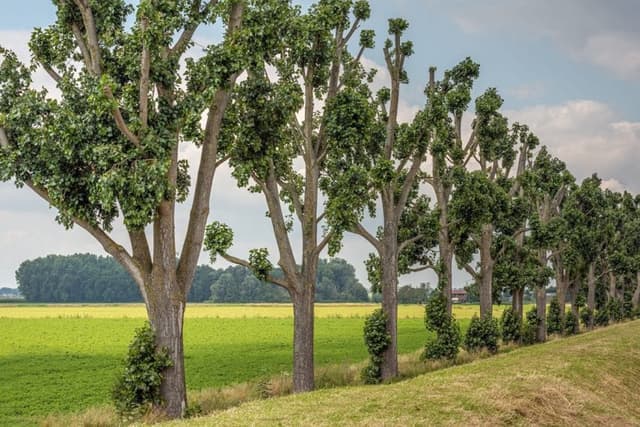
You’ve probably seen it before — a row of trees with their crowns chopped flat, large limbs lopped off, leaving behind little more than stubs. That, unfortunately, is tree topping.
And while it might look like a quick fix for an overgrown tree, topping is one of the most harmful practices you can do to your trees.
So let’s break it down:
What is tree topping? Why is it still done? And most importantly, why do professional arborists consistently warn against it?
What Is Tree Topping?
Tree topping is the practice of cutting back the main branches of a tree to stubs or lateral branches that aren’t large enough to take over as a new leader. This is typically done to reduce the height or size of a tree.
It’s often mistaken as a form of pruning — but make no mistake, topping is not proper pruning. It’s more like taking a chainsaw to a tree and hoping for the best.
Why Do People Top Trees?
There are a few common reasons why homeowners might request topping (or do it themselves):
- The tree has grown too tall or wide for its space
- There’s fear the tree may fall during storms
- It’s blocking a view or interfering with power lines
- They were told it’s a “quick solution” to size control
The problem? Topping doesn’t solve these issues — it usually makes them worse.
Why Arborists Strongly Warn Against Tree Topping
Let’s dig into the reasons topping is considered a harmful, outdated, and often dangerous practice.
1. It Severely Weakens the Tree
Topping removes 50–100% of a tree’s crown — its food factory. Without enough leaves, the tree can’t photosynthesize properly, leading to stress and possible starvation.
A stressed tree is far more vulnerable to disease, pests, and further damage.
2. It Leads to Rapid, Weak Regrowth
Ironically, topping doesn’t control growth — it triggers a survival response. The tree pushes out fast-growing, weakly attached shoots called suckers or water sprouts.
These grow quickly (sometimes faster than the original branches), but they’re structurally weak and more likely to break in storms.
3. It Increases the Risk of Decay
The large, open wounds left behind by topping don’t heal well. They invite decay and disease, especially if cuts are made improperly or without consideration of branch collars.
Once decay sets in, it can spread down into the trunk — compromising the entire structure of the tree.
4. It’s a Safety Hazard in the Long Run
Sure, a topped tree might look “shorter” and safer at first. But those new sprouts? They’re flimsy and poorly attached.
In a few years, your topped tree could be more dangerous than before — with brittle limbs just waiting to snap off during high winds or heavy snow.
5. It Ruins the Tree’s Natural Shape
Topping disfigures a tree’s natural form. Once the top is cut off, it rarely regrows into a healthy, well-shaped canopy.
Instead, you’re left with an awkward-looking tree that often requires constant future maintenance to avoid becoming a liability.
6. It Lowers Property Value
A healthy, mature tree can add thousands to your home’s value. A topped, struggling tree? Not so much.
Most buyers (and inspectors) see topped trees as red flags, not assets.
What to Do Instead: Proper Pruning & Preventative Care
If a tree is too large, unsafe, or interfering with nearby structures, there are safer, healthier options than topping, including:
- Crown reduction: Carefully cutting back the height/width while maintaining structure
- Crown thinning: Removing select branches to reduce weight and wind resistance
- Directional pruning: Encouraging growth away from obstacles (like buildings or wires)
- Cabling/bracing: Reinforcing weak branches or trunks
These methods preserve the tree’s health and structure — and they’re all services a certified arborist can perform.
Bottom Line: Topping Hurts Trees. Period.
Tree topping may seem like a quick fix, but it’s a shortcut that often leads to expensive consequences, from decay and storm damage to full tree removal down the line.
At Total Control Tree Service, we never recommend topping — and we’re here to help homeowners make informed, responsible decisions that protect their trees and property.
Concerned about an overgrown or hazardous tree? Contact our certified arborists for a safe, expert assessment — no topping required.