How to Tell If a Tree Is Dead, Dying, or Just Stressed
When a tree in your yard starts looking rough, it can be hard to tell what’s really going on. Is it dead? Dying? Or just dealing with temporary stress?
Knowing the difference is important — not just for aesthetics, but for safety and long-term property value. In this guide, we’ll walk you through how to assess the health of your tree, what signs to look for, and when to call in a professional.
Step One: Is There Leaf Activity?
A quick first check is the condition of the leaves — or the lack thereof:
- Is the tree producing new leaves in spring?
- Are the leaves discolored, undersized, or dropping early?
- Are certain branches bare while others look healthy?
If it’s the growing season and your tree still looks bare or patchy, there’s reason to dig deeper.
The Scratch Test: Quick At-Home Assessment
Here’s a simple test you can do yourself:
- Select a small branch and use your fingernail or a knife to gently scratch the bark.
- If the layer underneath is green and moist, the branch is alive.
- If it’s brown and dry, that part is likely dead.
Check multiple branches around the tree. If they all show brown, dry tissue beneath the bark, there’s a strong chance the tree is dead.
How to Tell the Difference
Dead Tree
- No leaf growth during the growing season
- Dry, brittle branches that snap easily
- Peeling or missing bark in large patches
- Visible fungal growth around the base
- Cracks or hollows in the trunk
- No green tissue under the bark anywhere on the tree
A dead tree is no longer functioning. It poses a high risk of falling and should be removed as soon as possible.
Dying Tree
- Sparse leaf coverage or premature leaf drop
- Discoloration in leaves or unusually small foliage
- Isolated dead branches
- Signs of pest damage or disease, such as holes in the bark, oozing sap, or cankers
- Leaning or structural imbalance
- Uplifted soil or exposed roots
Dying trees may still be saved with proper care, especially if the cause — like pests or root damage — is caught early.
Stressed Tree
- Minor leaf wilt or discoloration
- Reduced new growth compared to previous years
- Early leaf drop in one section of the tree
- Curling or scorched leaves (especially during heat or drought)
- Recent exposure to construction or soil disruption
A stressed tree isn’t necessarily in danger. With proper watering, mulching, and attention, it can often make a full recovery. For seasonal support, check out our Spring Tree Care Checklist for Minnesota Yards.
What Causes Tree Decline?
Trees can decline due to a wide range of stressors, including:
- Drought or overwatering
- Soil compaction or poor drainage
- Root damage from digging or construction
- Pest infestations (such as emerald ash borer or aphids)
- Fungal infections
- Improper pruning or tree topping
- Storm damage
- Old age
Some of these issues are fixable — but only if they’re identified in time.
When to Call a Professional
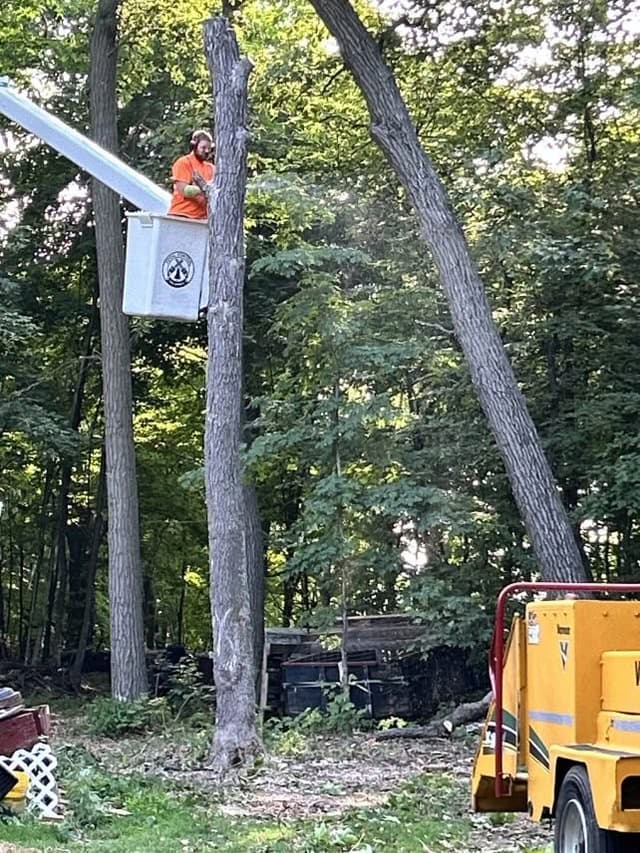
If your tree is showing multiple signs of distress, or if you suspect it’s dead or dying, a professional inspection is the safest route. Large, compromised trees are not only dangerous to remove without training — they can also threaten nearby structures or power lines if they fail unexpectedly.
Not sure what action to take? Learn more in our guide on When to Trim vs. When to Remove a Tree.
Also, before storm season, it’s smart to check out the Signs Your Tree Is a Hazard Before a Storm.
Don’t Wait Until It Falls
Tree decline is often gradual. But once a tree is dead or structurally unsound, the risk of property damage increases quickly — especially during wind, ice, or heavy storms.
Getting ahead of the problem now could save you thousands later in cleanup and repairs.
Concerned your tree may be in trouble? Schedule a professional tree health assessment with Total Control Tree Service today.