Spring Tree Care Checklist for Minnesota Yards
After months of snow, ice, and bitter wind, Minnesota yards are ready for a comeback. But before your trees burst into full spring bloom, they need a little TLC.
Winter can be rough on trees — broken limbs, frost cracks, and compacted soil are just the beginning. That’s why early spring is the perfect time to assess the damage, clean things up, and set your trees up for healthy growth through the year.
Whether you’re a seasoned green thumb or just trying to keep your maple from tipping into the neighbor’s yard, here’s your go-to spring tree care checklist for Minnesota yards.
1. Inspect for Winter Damage
Start with a thorough inspection. Look for:
- Broken or hanging limbs
- Cracks in the bark or trunk (especially frost cracks)
- Signs of animal damage (rabbits and deer are hungry in winter!)
- Leaning trees or exposed roots
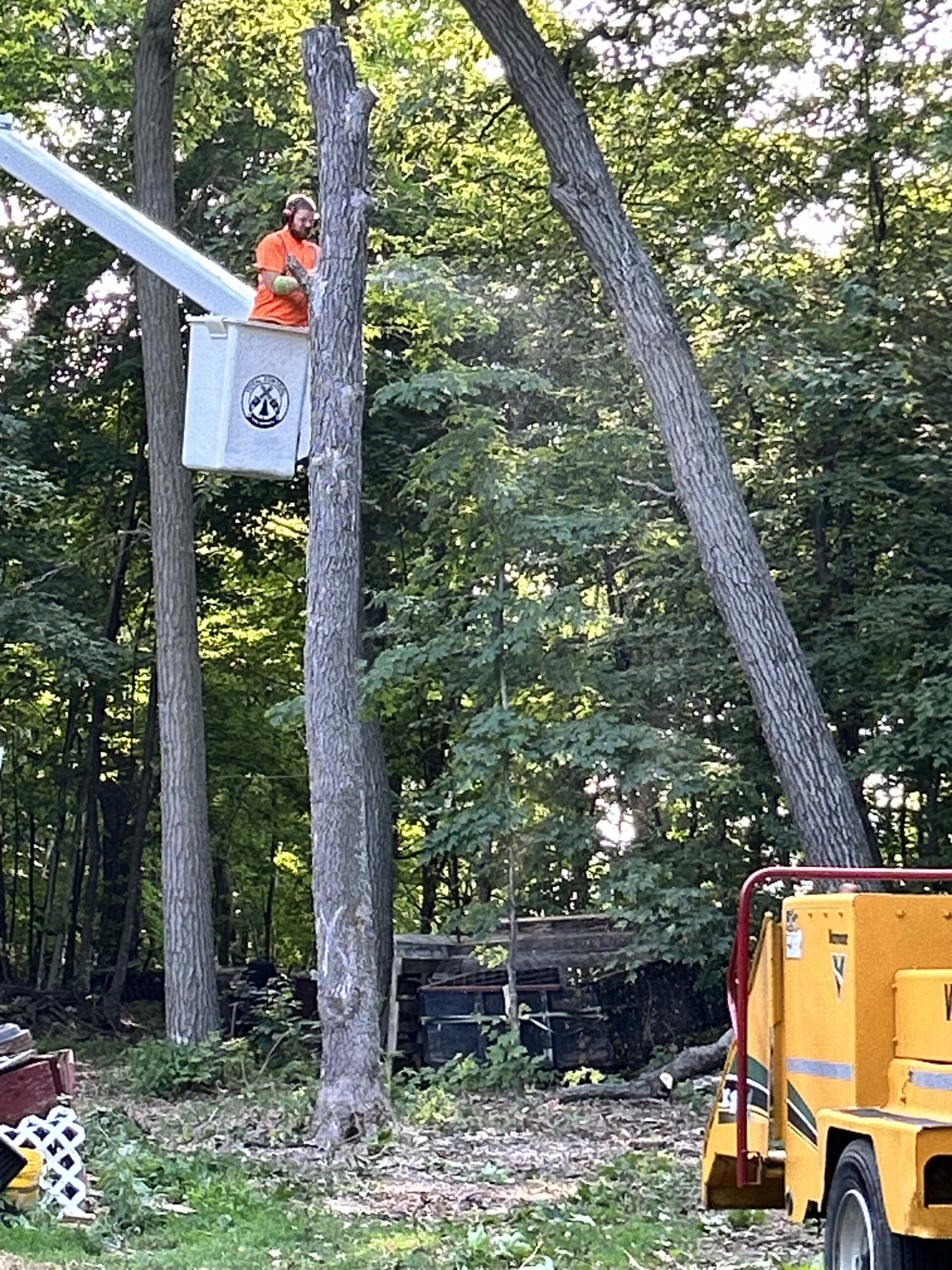
If you see large limbs hanging or suspect deeper structural issues, don’t DIY. Call a professional tree service — it’s safer and often more affordable in the long run.
2. Prune Dead or Damaged Branches
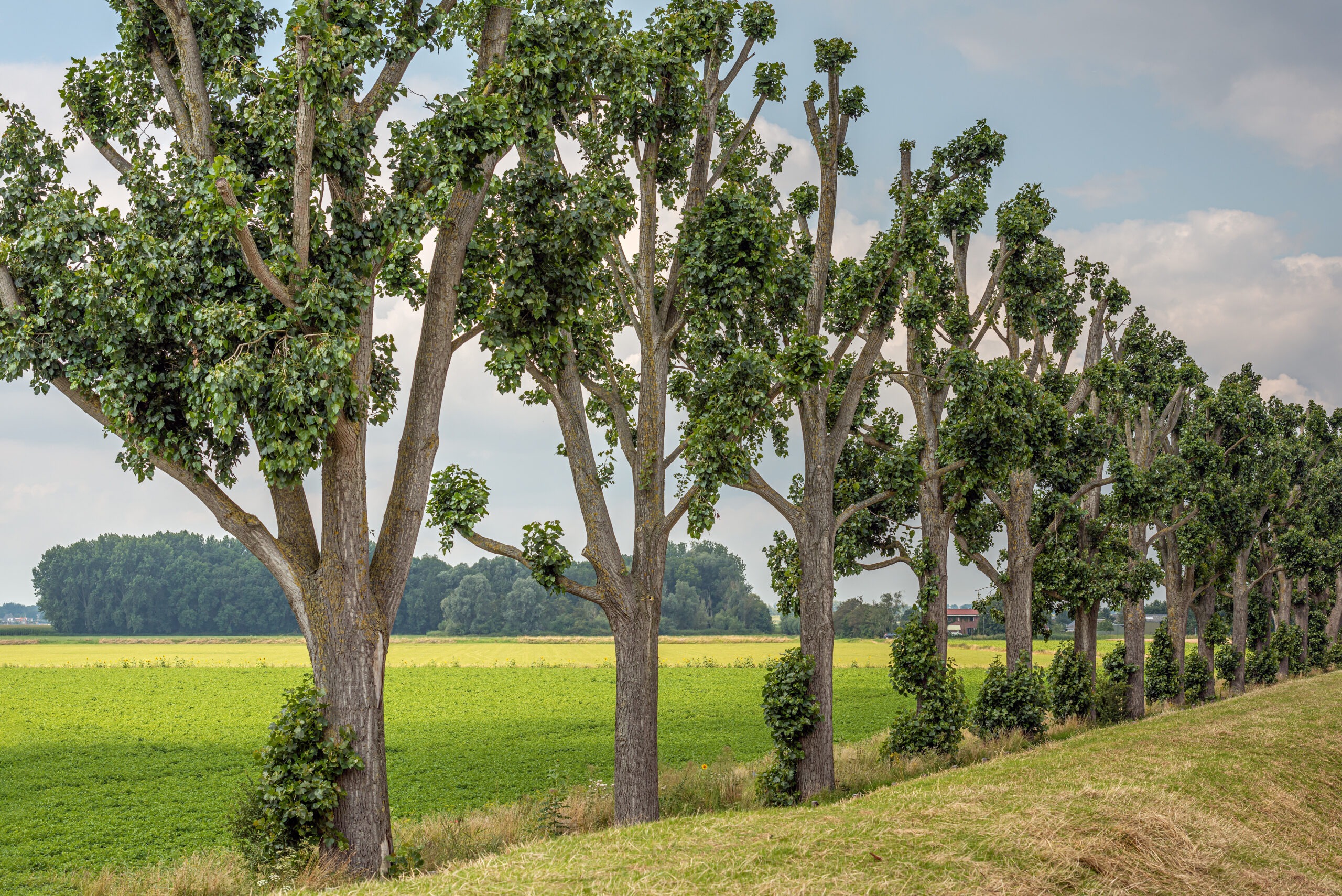
Early spring (before buds fully open) is an ideal time to prune. Removing dead, diseased, or crossed branches improves air circulation, prevents disease, and helps trees grow stronger.
Pro tip: Don’t over-prune. Cutting too much at once can stress the tree. If you’re not sure where to start, a certified arborist can help you make clean, strategic cuts.
3. Clean Up Around the Base
Clear out:
- Old mulch
- Fallen branches or twigs
- Leaves and debris from the trunk area
Why? Debris can trap moisture, attract pests, and promote fungal growth — none of which you want near your tree’s base.
4. Refresh the Mulch
After cleaning up, apply a fresh layer of mulch — but don’t go overboard. Keep it 2–4 inches deep, and never pile it against the trunk (a common mistake called “mulch volcanoes”).
Mulch helps:
- Retain soil moisture
- Regulate soil temperature
- Suppress weeds
And in Minnesota, that’s a big help as the weather transitions from cold snaps to early heat waves.
5. Check for Signs of Disease or Infestation
Early detection is key. Watch for:
- Discolored or spotted leaves (as the tree begins to leaf out)
- Unusual growths or oozing sap
- Holes in the bark or wood dust at the base
In Minnesota, common spring threats include fungal infections, aphids, and boring insects like the emerald ash borer.
If you suspect a problem, call a tree care pro. Many diseases can be managed — but only if caught early.
6. Fertilize if Needed
Minnesota soils can get depleted over winter, especially after heavy snowmelt. A slow-release fertilizer can help trees rebound in spring.
Not sure if your trees need it? A soil test can help you avoid over-fertilizing — which can do more harm than good.
7. Plan for Preventative Care
Now’s the time to think ahead:
- Cabling/bracing for trees with structural issues
- Insect/disease treatments for vulnerable species
- Storm prep for older or large trees
Spring is also a great time to schedule a professional tree inspection — especially if you haven’t had one in a few years.
Get Expert Help for a Healthy Spring Start
Minnesota’s climate doesn’t pull any punches. Between the long winters and surprise spring storms, your trees face serious challenges.
At Total Control Tree Service, we specialize in Minnesota tree care — from spring inspections to trimming, removals, and storm damage prevention. We’ll help your trees recover from winter and thrive all season long.
Need help getting your trees spring-ready? Schedule a spring tree checkup today and let’s get your yard back in shape.