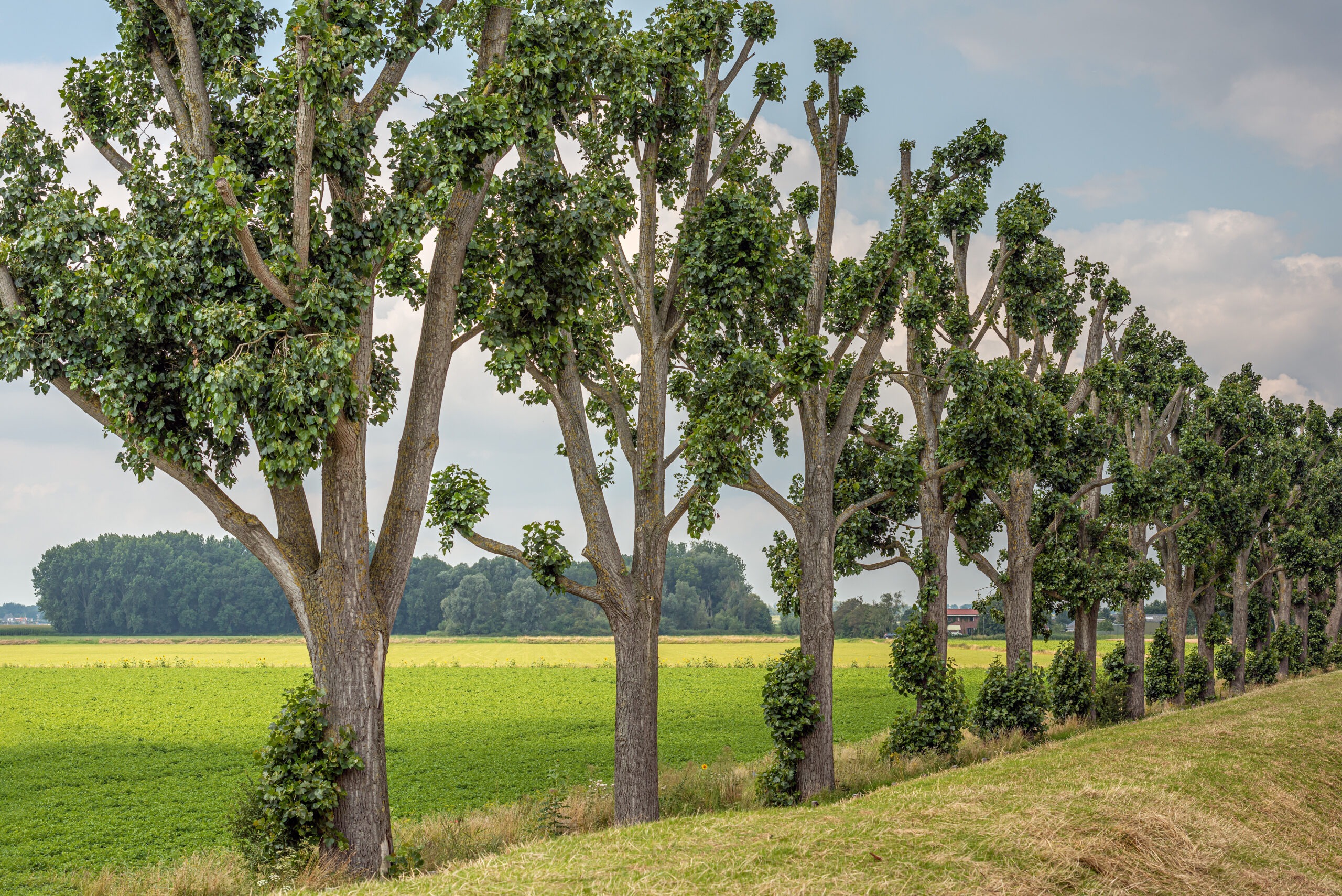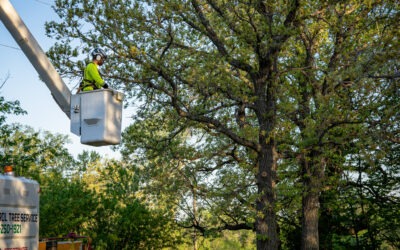
Fall is not just a time to enjoy the changing leaves; it is also critical for conducting tree inspections to identify potential health issues before winter descends. During this period, take the time to observe your trees for signs of disease, such as discolored leaves, fungal growths, or unusual bark patterns. These observations, when acted upon early, can play a significant role in preventing more severe problems from developing down the line. Additionally, it’s beneficial to examine the overall shape and structure of your trees; any asymmetrical branches or unusual lean could indicate underlying structural issues that may need further assessment. Paying particular attention to the structural integrity of the branches is vital; any branches that appear compromised by damage or decay are prone to breaking under the weight of snow and ice during winter months. A professional consultation with a certified arborist is often recommended to provide thorough inspections and expert insights. These professionals can offer tailored management plans to address the specific needs of your trees, including treatments for any identified issues. By prioritizing these inspections and necessary interventions, homeowners can take proactive steps to protect their property while also ensuring the health and safety of their trees, which contribute significantly to the aesthetics and value of the landscape.
Citations:
• International Society of Arboriculture: treesaregood.org
• Minnesota Society of Arboriculture: msa-live.org