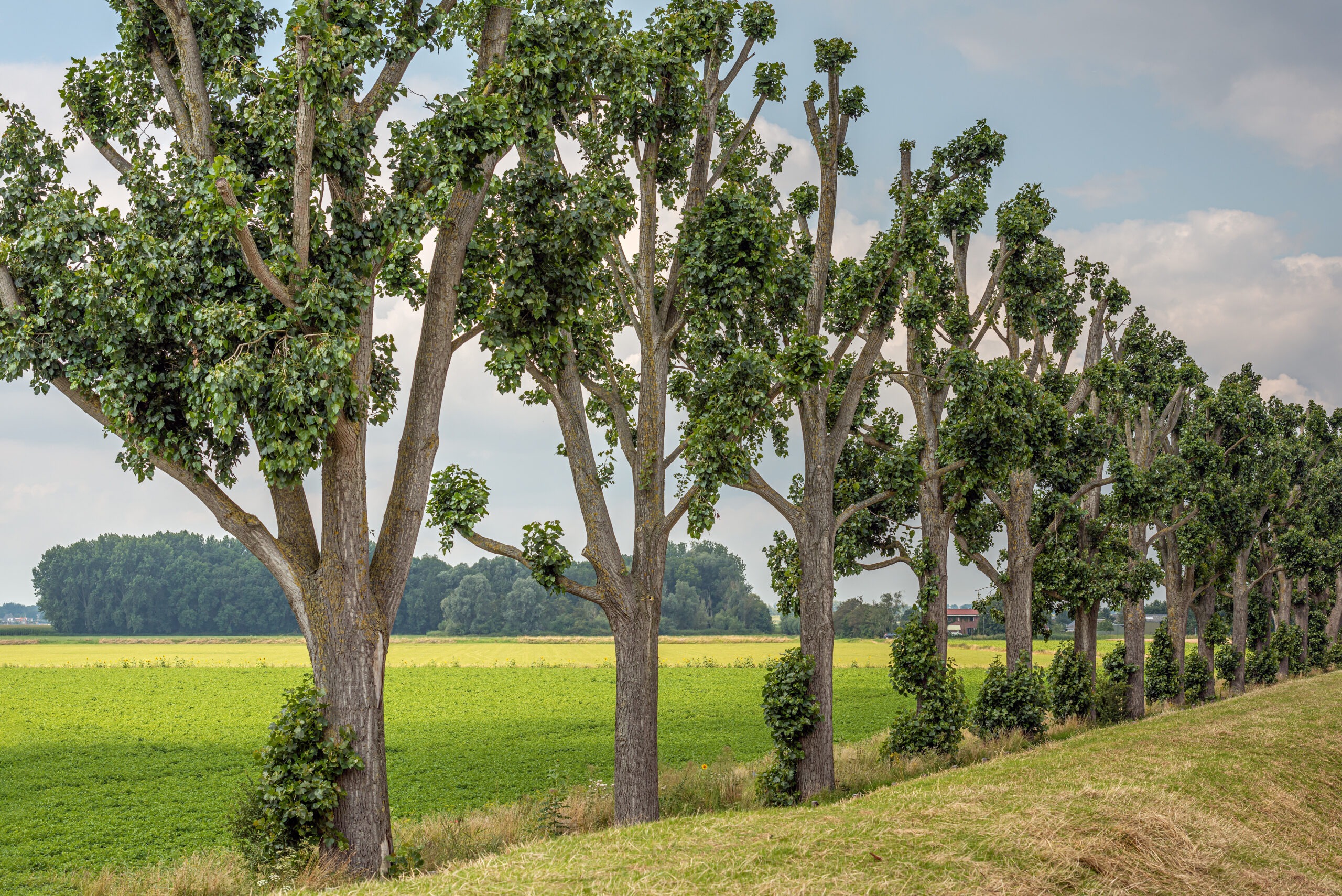
The iconic fall foliage in Minnesota is more than just a beautiful spectacle; it also serves as an important indicator of tree health. The annual change in leaf color occurs as chlorophyll breaks down, revealing other pigments such as carotenoids and anthocyanins, which contribute to the stunning array of colors we enjoy in autumn. This change is influenced by various factors, including temperature, sunlight, and moisture levels throughout the growing season. While the vibrant colors often signal that trees are entering a period of dormancy, they also reflect the tree’s overall health leading up to winter. A tree that experiences stress due to drought, pest infestations, or disease may not display the same brilliance in its fall color as a healthy tree. Observing the vibrancy and duration of fall foliage can provide insights into the tree’s condition and its ability to withstand the stressors of winter. Homeowners are encouraged to monitor their trees and engage in practices that promote their health, such as ensuring proper watering and addressing any sign of disease promptly. Ultimately, understanding the relationship between fall foliage and tree health can lead to more informed decisions about tree care and maintenance.
Citations:
• National Forests and Grasslands: fs.usda.gov
• Minnesota DNR Forestry: dnr.state.mn.us