Trees Are a Beautiful Asset — But They Need the Right Care
Trees offer shade, boost curb appeal, and even increase your home’s value. But like everything in your landscape, trees need care — and sometimes, tough decisions.
So how do you know when it’s time to trim a tree vs. when it’s time to say goodbye? That’s exactly what we’re digging into today.
First, Why Tree Maintenance Matters
Ignoring your trees isn’t just a bad landscaping move — it’s risky. Overgrown limbs can threaten your home during storms, block essential sunlight, or interfere with power lines. Dead or diseased trees? Even worse. They can fall unexpectedly, causing expensive (and dangerous) damage.
Regular trimming improves:
- Tree health
- Safety
- Growth direction
- Appearance
But sometimes, trimming just isn’t enough.
When to Trim a Tree
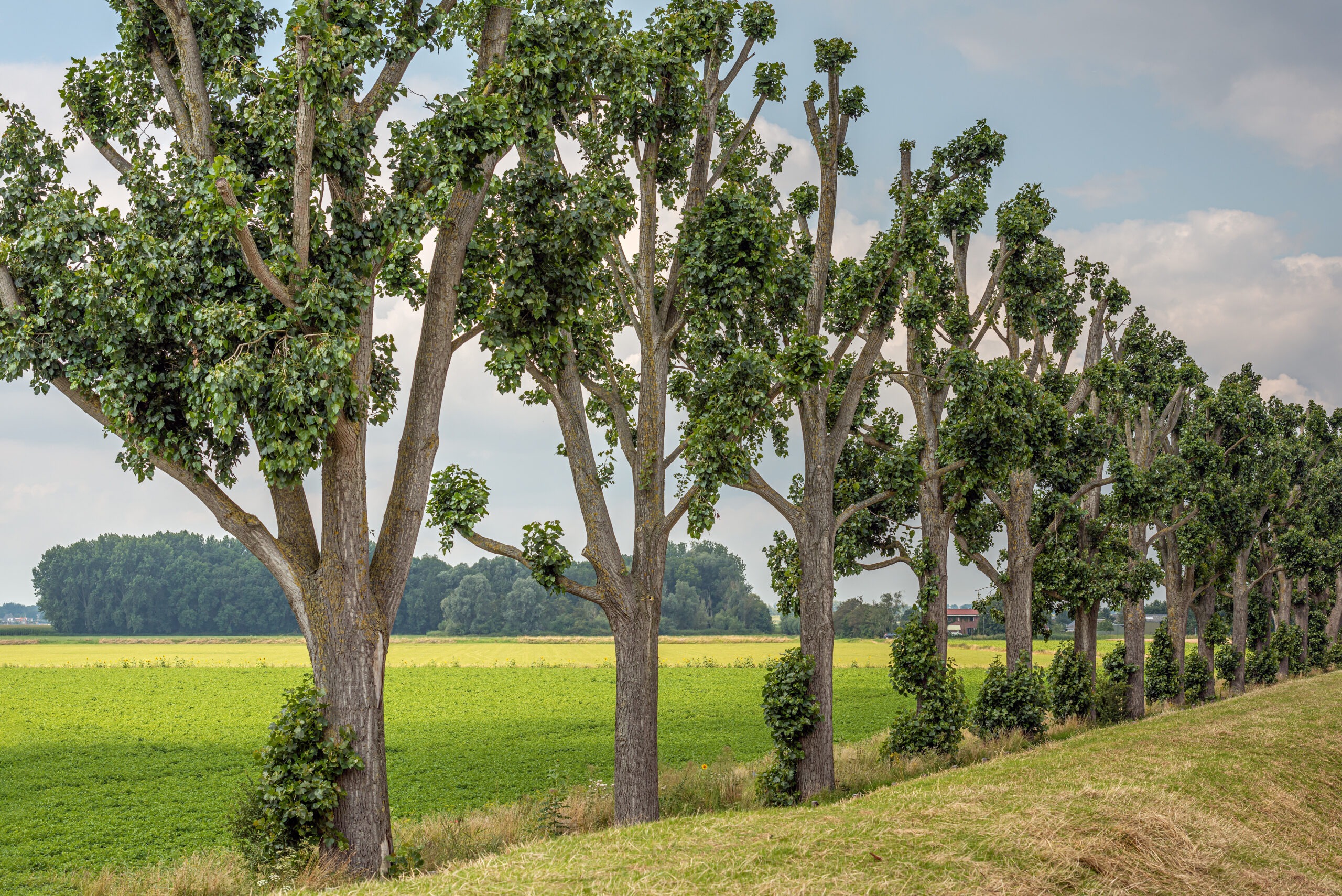
Tree trimming is like a good haircut — it keeps things tidy and encourages healthy growth. Here’s when trimming is the right move:
1. The Tree Is Healthy, but Overgrown
If your tree is thriving but just a little out of control, trimming can shape it up and reduce hazards — especially over roofs, walkways, or driveways.
2. Branches Are Interfering with Structures
Low-hanging or overextended limbs? Trim them back before they cause roof damage or scrape siding.
3. The Canopy Is Too Dense
A thick canopy can block sunlight or airflow. Strategic trimming opens up the tree, promoting better air circulation and reducing the risk of disease.
4. It’s Time for Seasonal Maintenance
Most trees benefit from seasonal trimming. Late winter or early spring is ideal for many species — before new growth kicks in.
When to Remove a Tree
Trimming can’t solve every problem. Sometimes, removal is the only safe and sensible option.
1. The Tree Is Dead or Dying
A dead tree isn’t just an eyesore — it’s a hazard. Weak limbs or a rotting trunk can fall at any time. If the tree shows little to no leaf growth in the growing season, it may be time to let go.
2. It Has Structural Issues
Deep cracks, leaning trunks, or visible root damage? These are red flags. Trees with compromised structure are unpredictable and dangerous — especially during storms.
3. It’s Infested or Diseased
Insect infestations (like emerald ash borer) or fungal diseases can take over quickly. If more than 50% of the tree is damaged or diseased, removal is likely the best course.
4. It Poses a Risk to Property or People
Trees growing too close to your home, utility lines, or frequently used areas can be a major liability. If trimming won’t solve the issue, removal might be the safer option.
5. It’s Blocking Future Plans
Planning a home addition? Installing a pool? Sometimes, trees are in the way of your long-term goals. In those cases, careful removal (with a plan to replant!) might make sense.
Still Unsure? Call the Pros.
Here’s the truth: It’s not always obvious whether to trim or remove a tree. That’s where certified arborists come in.
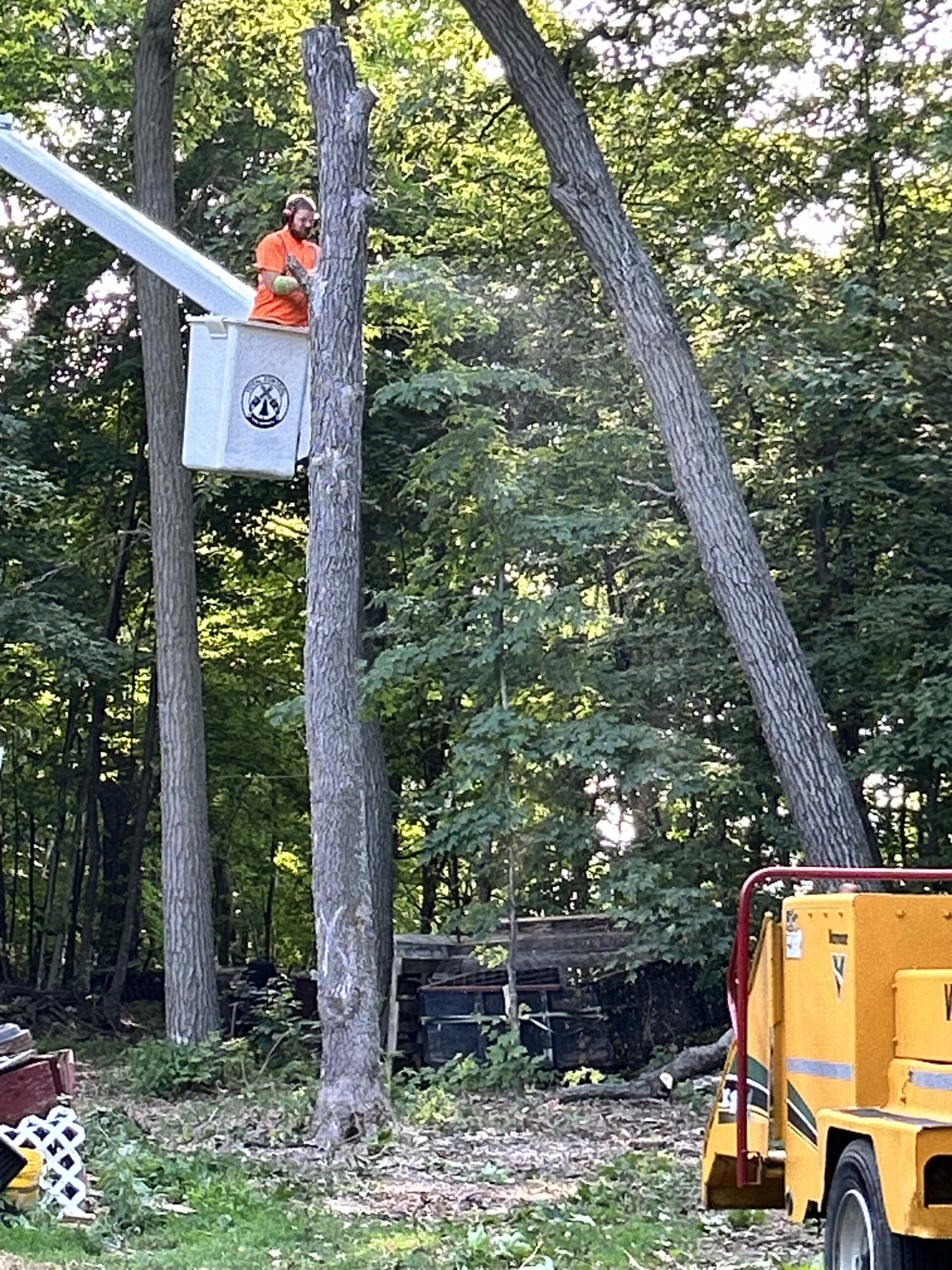
At Total Control Tree Service, we’ve seen it all — from storm-damaged maples to stubborn stumps that just won’t quit. Our experts can assess your trees, explain your options, and help you make the safest, most cost-effective decision.
Whether it’s a light trim or a full removal, we’ve got the tools, training, and tree know-how to get it done right.
Final Thoughts: Trim or Remove?
If your tree is healthy but a little unruly, a trim may be all it needs. But if it’s diseased, dying, or dangerous, removal might be the smartest move.
When in doubt, don’t guess — get advice from experienced professionals. It’s not just about aesthetics. It’s about safety, property value, and long-term peace of mind.
Need help deciding between trimming or removal? Contact Total Control Tree Service for a free consultation today.